What You Need To Know
If you need a rear-facing-only infant seat on a tight budget, you don’t have to pick between safety and affordability. These three validated models prioritize meeting safety standards, adjustable 5-point harnesses, and installation aids that reduce setup mistakes.
SnugRide SnugFit DLX
SnugRide SnugFit DLX stood out for parents who want the most adjustment and safety-oriented features on a budget. and balanced scoring across the most useful buying criteria.
View Deal On Amazon
Budget rear-facing-only car seats under a tight price point that still meet safety standards
Graco’s SnugRide SnugFit DLX offers the most adjustment and feature set in this roundup. Chicco KeyFit 30 is the easiest to install and consistently recommended for foolproof setup. Romer Juni is an ultra-budget, basic rear-facing option best for short-term or secondary use.
SnugRide SnugFit DLX
Graco
A feature-rich infant carrier with a user-friendly base and multiple adjustment points. Designed to simplify installation while offering a no-rethread harness for quick height changes.
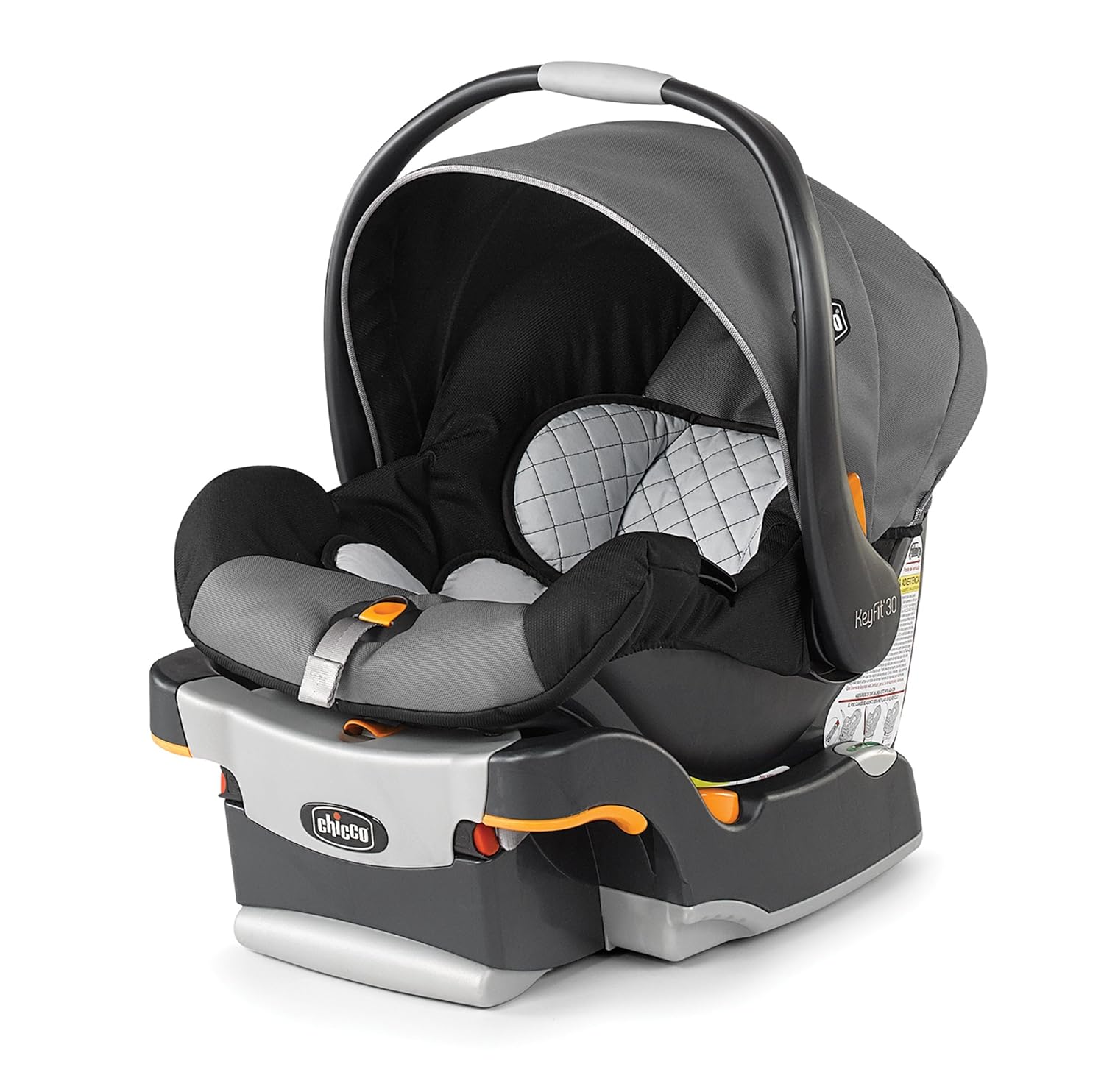
KeyFit 30 Infant Car Seat and Base
Chicco
Known for its straightforward, repeatable install process and stable base. Focuses on reducing installation error with clear indicators and a tight LATCH/belt fit.

Juni
Romer
An ultra-budget rear-facing-only option that covers the basics: a 5-point harness and lightweight shell. Minimal features and best used for short-term or secondary-car needs.
Buying Notes
Look for a no-rethread harness or clearly marked harness heights, a base or belt path with clear level indicators, and LATCH or secure belt-install options. Confirm weight/height limits and check for recent recalls before buying—especially when shopping used.
SnugRide SnugFit DLX: pros and cons
Pros
- No-rethread 5-point harness for easy height adjustments
- Base with clear level indicators and secure install aids
- Built with energy-absorbing materials and meets safety standards
- Good overall balance of features for the price
Cons
- Higher price than the other picks in this roundup
- Bulkier than minimalist budget seats
A feature-rich infant carrier with a user-friendly base and multiple adjustment points. Designed to simplify installation while offering a no-rethread harness for quick height changes.
SnugRide SnugFit DLX: score breakdown
KeyFit 30 Infant Car Seat and Base: pros and cons
Pros
- Very easy and consistent installation with clear level indicators
- Padded newborn insert for smaller infants
- No-rethread harness makes daily adjustments faster
- Strong reputation for straightforward use
Cons
- Heavier and bulkier than minimalist budget options
- Base can occupy significant space in small vehicles
Known for its straightforward, repeatable install process and stable base. Focuses on reducing installation error with clear indicators and a tight LATCH/belt fit.
KeyFit 30 Infant Car Seat and Base: score breakdown
Juni: pros and cons
Pros
- Very low price
- Lightweight and simple to carry
- Meets core safety requirements for a rear-facing seat
Cons
- Limited padding and fewer installation aids
- Less harness adjustability and shorter usable range
- Not as user-friendly to install as the other picks
An ultra-budget rear-facing-only option that covers the basics: a 5-point harness and lightweight shell. Minimal features and best used for short-term or secondary-car needs.
Juni: score breakdown
Frequently Asked Questions
How long should a baby stay rear-facing?
Keep babies rear-facing as long as they fit the seat’s height and weight limits—at least until age 2 when possible; follow the seat manufacturer’s limits.
Is it safe to buy a used rear-facing car seat?
Only if you can verify it was never in a crash, it has all parts, is within the manufacture date, and there are no recalls. Otherwise buy new.
What makes installation easier?
Clear level indicators, a dedicated belt path or LATCH system, and a one-pull tightener reduce installation errors.
How tight should the harness be?
Snug enough that you can’t pinch excess webbing at the shoulder—no slack across chest or abdomen.
When should I switch from an infant carrier to a convertible seat?
Switch when your child exceeds the infant carrier’s height or weight limit, or if you need a longer rear-facing range.