What You Need To Know
Babies who use feeding tubes, back/hip braces, or oxygen require special attention to how a car seat, harness, and any medical tubing or supports fit together. This short guide lists proven infant seats and inserts, explains clinician consultation steps, and outlines safe harness/insert principles — all without promising medical outcomes. Always verify fit with your clinician and a certified child passenger safety (CPS) technician before travel.
Maxi‑Cosi Mico Luxe+ Baby Car Seat
Maxi‑Cosi Mico Luxe+ Baby Car Seat stood out for families seeking a lightweight, newborn-friendly seat that works with approved inserts. and balanced scoring across the most useful buying criteria.
View Deal On Amazon
Car seats and medical needs: options for kids with feeding tubes, braces, or oxygen
Maxi‑Cosi Mico Luxe+ and Mico Luxe (with base) are lightweight infant seats that pair well with approved infant inserts for newborn positioning. Low-cost generic inserts (3-in-1, Innokids) can add head and torso support for typical newborn needs but are not medical-grade and may be restricted by some car-seat manuals. The Merrick custom medical insert is the highest-cost option but is designed specifically to accommodate medical devices and atypical body shapes — discuss measurements and compatibility with both the insert maker and the car-seat manufacturer before buying.
Maxi‑Cosi Mico Luxe+ Baby Car Seat
Maxi‑Cosi
An infant rear‑facing car seat designed for newborn fit and everyday use; commonly paired with infant inserts for additional head and torso support.

Maxi‑Cosi Mico Luxe Infant Car Seat with Base (rear‑facing)
Maxi‑Cosi
Same family as the Mico Luxe+ offered with a dedicated base for quicker install and repeat use; useful when frequent vehicle transfers are needed.

Infant Car Seat Insert (3‑in‑1 newborn carseat insert)
An inexpensive, multipurpose newborn insert that provides extra head and torso support for small infants and typical newborn positioning needs.

Innokids Infant Car Seat Insert (Reversible support insert)
Innokids
A reversible support insert that adds newborn cushioning and can be flipped for different depths of support; a low-cost option for extra stability.
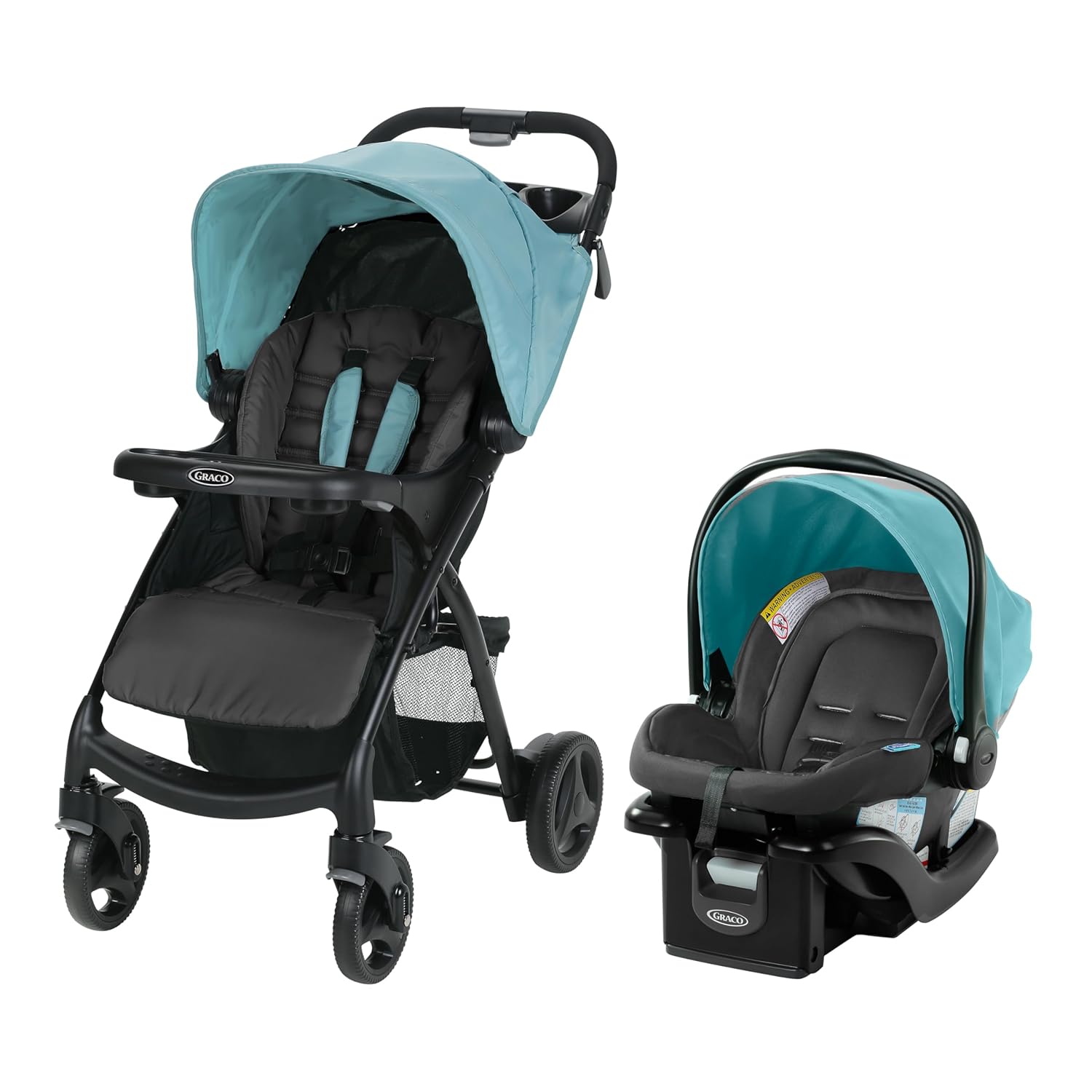
Merrick Car Seat Insert (custom medical insert)
Merrick
A custom, medical‑grade car-seat insert intended for children with atypical body shapes or medical devices; built to measure for individualized positioning support.
Buying Notes
1) Start with your clinician (pulmonary, GI, orthotics) and a CPS technician: show the seat, the child in their device, and ask for hands-on confirmation. 2) Check the car-seat manual and manufacturer for approved inserts and accessory guidance; never alter a harness (no cutting, no rerouting unless manufacturer-approved). 3) Consider a medical-grade custom insert (e.g., Merrick) if standard inserts don't give needed support. 4) For tubing/oxygen: plan routing so tubing lies flat against the body and under the harness where possible, secured to prevent snagging; confirm with a clinician that tubing placement doesn’t impair breathing or device function. 5) Do a vehicle fit test with the base/seat, then a harness fit test with the child in their medical device. 6) If you need padding for pressure points, use only manufacturer-approved products or clinician-recommended medical padding and have the setup checked by a CPS technician.
Maxi‑Cosi Mico Luxe+ Baby Car Seat: pros and cons
Pros
- Lightweight and easy to carry
- Designed to accept infant inserts for better newborn positioning
- Removable, machine‑washable covers on many Maxi‑Cosi models
Cons
- Not a medical-grade system on its own
- Some aftermarket inserts may be disallowed by the manual — check compatibility
An infant rear‑facing car seat designed for newborn fit and everyday use; commonly paired with infant inserts for additional head and torso support.
Maxi‑Cosi Mico Luxe+ Baby Car Seat: score breakdown
Maxi‑Cosi Mico Luxe Infant Car Seat with Base (rear‑facing): pros and cons
Pros
- Convenient with a dedicated base
- Designed for newborn positioning with compatible inserts
- Streamlines frequent in‑and‑out use
Cons
- Base adds cost and takes trunk space
- Not a substitute for a clinician‑approved medical insert when special positioning is required
Same family as the Mico Luxe+ offered with a dedicated base for quicker install and repeat use; useful when frequent vehicle transfers are needed.
Maxi‑Cosi Mico Luxe Infant Car Seat with Base (rear‑facing): score breakdown
Infant Car Seat Insert (3‑in‑1 newborn carseat insert): pros and cons
Pros
- Affordable
- Washable and versatile
- Adds basic head and torso support
Cons
- Not medical-grade — may not meet needs for babies with complex medical devices
- May be disallowed by some car-seat manuals; check before use
An inexpensive, multipurpose newborn insert that provides extra head and torso support for small infants and typical newborn positioning needs.
Infant Car Seat Insert (3‑in‑1 newborn carseat insert): score breakdown
Innokids Infant Car Seat Insert (Reversible support insert): pros and cons
Pros
- Very affordable
- Reversible for two thickness options
- Lightweight and easy to clean
Cons
- Not intended as a medical solution for devices or braces
- May compress over time and change fit
A reversible support insert that adds newborn cushioning and can be flipped for different depths of support; a low-cost option for extra stability.
Innokids Infant Car Seat Insert (Reversible support insert): score breakdown
Merrick Car Seat Insert (custom medical insert): pros and cons
Pros
- Custom-fit medical design
- Intended to accommodate medical devices and atypical postures
- Made for clinician collaboration and measurement
Cons
- Higher cost and longer lead time
- Must confirm compatibility with your car seat and vehicle; professional fitting recommended
A custom, medical‑grade car-seat insert intended for children with atypical body shapes or medical devices; built to measure for individualized positioning support.
Merrick Car Seat Insert (custom medical insert): score breakdown
Frequently Asked Questions
Can I use extra padding to protect a feeding tube under the harness?
Ask your clinician first and use only manufacturer‑approved or clinician‑recommended medical padding; do not place loose padding between child and harness without approval and a CPS check.
Is cutting or rerouting the harness ever acceptable?
No. Never cut or permanently alter harness straps. Consult the car-seat manufacturer and a CPS technician for approved routing options.
How should oxygen tubing be routed in a car seat?
Plan tubing to lie flat and be secured to the child’s clothing or harness so it cannot be pulled or kinked; confirm placement with your clinician and CPS technician.
When should I consider a custom medical insert?
Consider custom inserts if off‑the‑shelf inserts don’t provide safe head/trunk positioning for medical devices — and only after consulting clinicians and confirming compatibility with the car seat.
Who can give a final clearance to travel?
Your treating clinician (or respiratory/orthotic specialist) together with a certified child passenger safety (CPS) technician should confirm the setup before travel.