What You Need To Know
For winter layering, the base layer's job is simple: sit next to baby’s skin, move moisture away, and provide a stable temperature foundation for outer layers. Merino, cotton and bamboo each behave very differently. This guide compares the three on warmth-to-weight, moisture handling and care and ranks five validated baby sleep and base-layer products to help you build effective winter systems.
Ecoable Baby Thermal Coverall: Winter Blanket with Sleeves
Ecoable Baby Thermal Coverall: Winter Blanket with Sleeves stood out for wearable sleep layer for infants who need full-coverage warmth without loose blankets. and balanced scoring across the most useful buying criteria.
View Deal On Amazon
Merino vs cotton vs bamboo: best base layers for baby winter layering
Merino leads for warmth-to-weight and moisture handling, making it the best base-layer fiber for cold, still sleep periods. Cotton/poly jerseys are budget-friendly and easy to wash but lose insulation when damp. Bamboo (not pictured) offers soft, breathable wicking between the two. Care is the trade-off: natural-wool items usually need gentler cycles and flat drying; cotton/poly is the easiest to launder. Build layers starting with a merino base for cold nights, add a lightweight insulating mid layer, and finish with a weather-appropriate outer layer for activity.
Ecoable Baby Thermal Coverall: Winter Blanket with Sleeves
Ecoable
A wearable thermal coverall designed as a sleep blanket with sleeves — a practical sleep-layer solution that combines mobility and coverage.
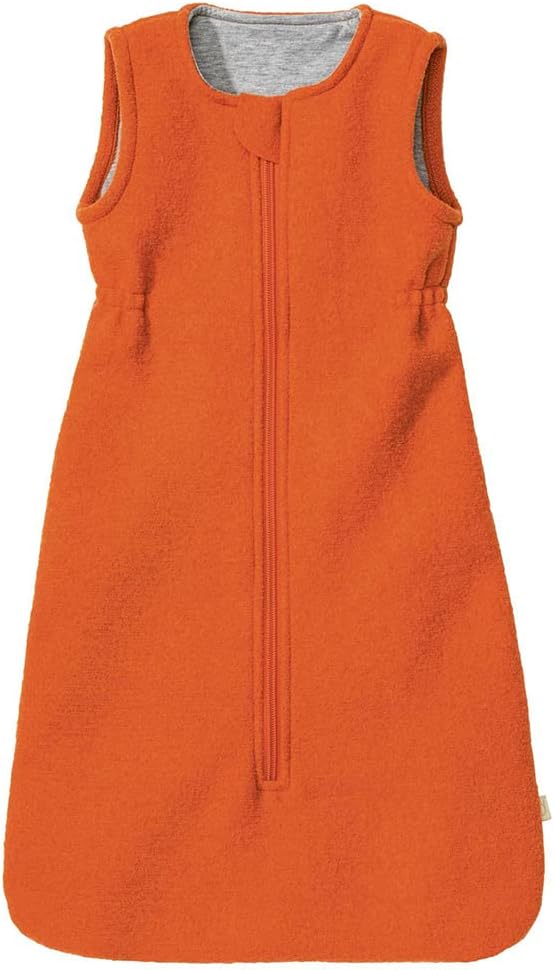
Thermal Warm Merino Wool Blanket, Sizes 0-36 Months
Ecoable
A premium merino blanket sized for infants through toddlers — excels at trapping heat without bulk and managing moisture next to skin.
Ecoable Baby Overall Blanket - Thermal Warm Merino
Ecoable
A thermal merino overall blanket that combines wearable convenience with merino’s natural insulating and wicking properties.

Woolino Toddler Blanket - Merino Wool and Organic
Woolino
A merino wool blend toddler blanket with organic components — balances natural-fiber performance with thoughtful materials for older babies and toddlers.

Rabbit Skins Infant Toddler Baby Soft Fine Jersey (60% Cotton, 40% Polyester)
Rabbit Skins
An affordable cotton/poly jersey option that’s soft, easy to launder and good for everyday layering but not ideal when insulation is needed while wet.
Buying Notes
Choose merino if you want high warmth-to-weight and excellent moisture control for sleeping or low-activity chill—it performs best when layered under a jacket or sleep sack but usually needs gentler care. Pick cotton or cotton blends for everyday play and easy machine-washable care; they’re inexpensive but hold moisture and don’t insulate as well when damp. Bamboo offers a middle ground—soft, breathable and better at wicking than cotton (not represented in this product list, but worth considering). For newborn sleep, aim for a snug merino or wearable sleep sack as base + one outer layer, and always check fit and room for movement. When in doubt, use a thermometer and follow safe-sleep guidance rather than guessing by touch.
Ecoable Baby Thermal Coverall: Winter Blanket with Sleeves: pros and cons
Pros
- Wearable design keeps baby covered without loose blankets
- Good warmth-to-weight for sleep situations
- Covers torso and limbs in one piece
Cons
- May require gentler laundering to keep loft and shape
- Higher upfront cost compared with basic jersey layers
A wearable thermal coverall designed as a sleep blanket with sleeves — a practical sleep-layer solution that combines mobility and coverage.
Ecoable Baby Thermal Coverall: Winter Blanket with Sleeves: score breakdown
Thermal Warm Merino Wool Blanket, Sizes 0-36 Months: pros and cons
Pros
- Excellent warmth-to-weight
- Strong natural moisture-wicking and breathability
- Soft, comfortable next-to-skin performance
Cons
- Premium price
- Requires gentle laundering to maintain loft
A premium merino blanket sized for infants through toddlers — excels at trapping heat without bulk and managing moisture next to skin.
Thermal Warm Merino Wool Blanket, Sizes 0-36 Months: score breakdown
Ecoable Baby Overall Blanket - Thermal Warm Merino: pros and cons
Pros
- High-performance natural fiber warmth
- Wearable form factor reduces need for loose covers
- Breathable and temperature-stable
Cons
- Higher cost
- Gentle care needed to preserve shape
A thermal merino overall blanket that combines wearable convenience with merino’s natural insulating and wicking properties.
Ecoable Baby Overall Blanket - Thermal Warm Merino: score breakdown
Woolino Toddler Blanket - Merino Wool and Organic: pros and cons
Pros
- Good balance of warmth and breathability
- Natural fibers reduce odor and stabilize temperature
- Sized for toddlers and extended use
Cons
- Not as inexpensive as cotton options
- Care instructions may be more involved than for synthetic blends
A merino wool blend toddler blanket with organic components — balances natural-fiber performance with thoughtful materials for older babies and toddlers.
Woolino Toddler Blanket - Merino Wool and Organic: score breakdown
Rabbit Skins Infant Toddler Baby Soft Fine Jersey (60% Cotton, 40% Polyester): pros and cons
Pros
- Very affordable
- Machine-washable and easy care
- Soft and versatile for daily wear
Cons
- Lower warmth-to-weight than merino
- Holds moisture and loses insulating value when wet
An affordable cotton/poly jersey option that’s soft, easy to launder and good for everyday layering but not ideal when insulation is needed while wet.
Rabbit Skins Infant Toddler Baby Soft Fine Jersey (60% Cotton, 40% Polyester): score breakdown
Frequently Asked Questions
Is merino safe next to a baby’s skin?
Yes — merino is a natural fiber that breathes and wicks well. Use soft, well-finished merino and check for itch sensitivity; choose a cotton or bamboo base if skin seems irritated.
How do I care for merino baby layers?
Follow the garment label: most need a gentle wash cycle or hand wash and reshaping/flat drying to keep loft and fit. Avoid high heat.
Can I use cotton as a base layer in winter?
Cotton is fine for low-cost everyday layers but it retains moisture and loses insulating ability when wet, so it’s not ideal as a primary sleep base in cold conditions.
How many layers should a baby wear in winter?
Start with a snug base layer, add an insulating mid layer if cold, and an outer layer for outdoor use. Check room temperature and baby’s neck/torso for overheating; adjust accordingly.
Is bamboo better than cotton for wicking?
Generally yes—bamboo fabrics tend to wick and feel softer than cotton, though performance varies by knit and finish.