What You Need To Know
Many parents shop widely for feeding gear, including imported items priced for convenience. This guide focuses on realistic, actionable steps to detect and avoid BPA, phthalates, and lead: how to read labels and certifications, what testing methods really mean, and which product types most often carry risks.
The Smart Parents Guide: To Feeding your Baby
The Smart Parents Guide: To Feeding your Baby stood out for quick, actionable guidance for busy parents and balanced scoring across the most useful buying criteria.
View Deal On Amazon
Safety guide: detecting and avoiding BPA, phthalates, and lead in import baby feeding gear
These four books are practical feeding guides rather than product testers. They vary from quick how‑to advice to in‑depth pediatric guidance. Use quick guides for everyday feeding tips and the pediatric guide for clinical context on risks and exposure. None replaces a lab test, but each helps parents make safer choices by advising on materials, prep, and storage.
The Smart Parents Guide: To Feeding your Baby
N/A
A concise, practical handbook with quick tips on choosing materials, reading labels, and everyday feeding safety—useful for spotting red flags in feeding gear.

The Pediatrician's Guide to Feeding Babies and Toddlers
N/A
Written from a clinical perspective, this guide covers exposure risks and developmental considerations and helps parents understand why material safety matters.

The Baby Feeding Book: Your essential guide to ...
N/A
A broad feeding manual with hands‑on tips for bottle and solids preparation and safe storage, including basic material advice for parents.
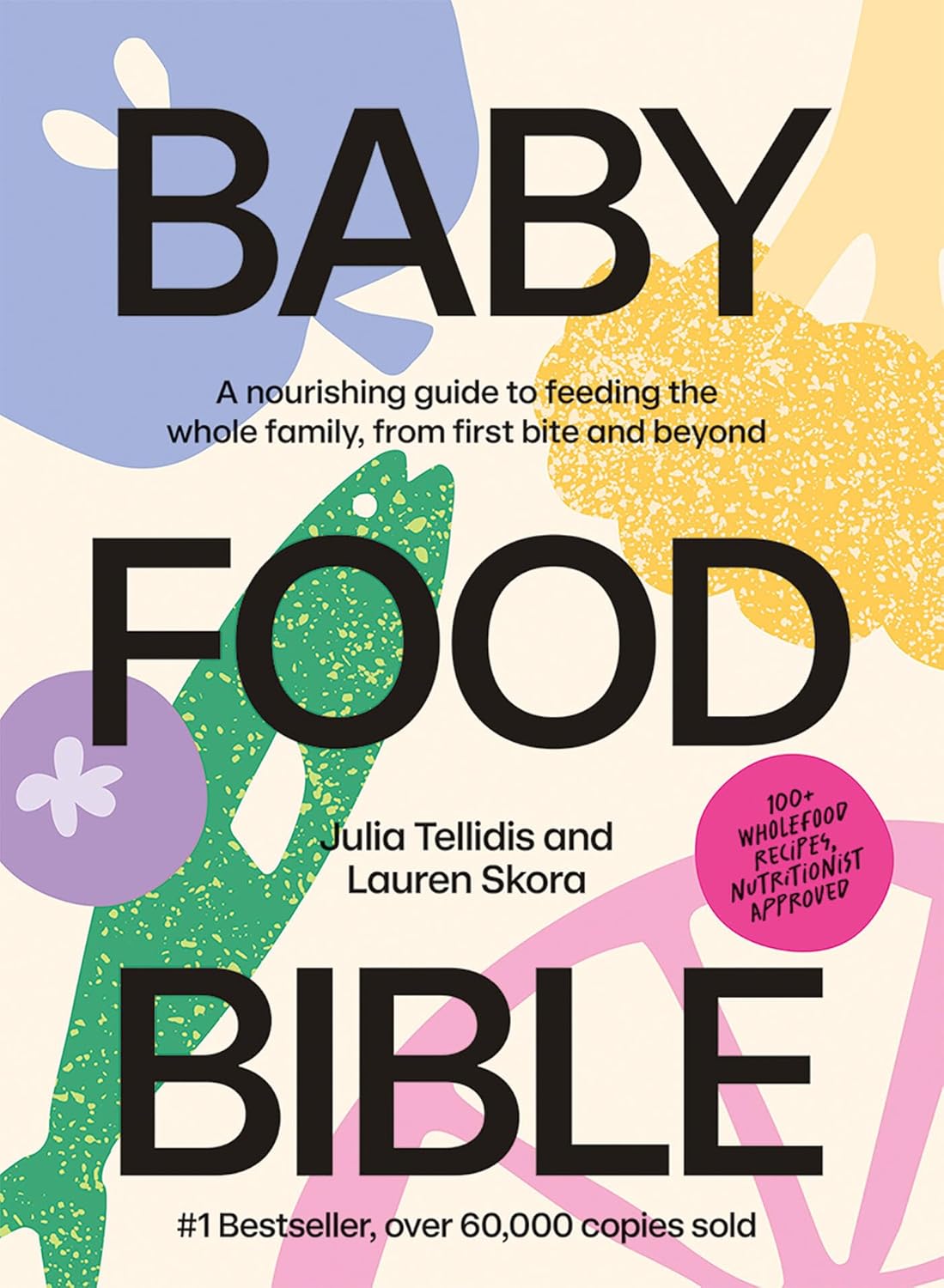
Baby Food Bible: A Nourishing Guide to Feeding Your ...
N/A
Focuses on nutrition and preparing homemade baby food, with useful sections on safe storage containers and avoiding contamination from materials.
Buying Notes
1) Prefer stainless steel, glass or silicone rated food‑grade; 2) Look for specific third‑party certifications (e.g., NSF, SGS, Intertek) and test reports, not just 'BPA‑free'; 3) Avoid brightly painted or cheap metal clasps and ceramic glazes without testing info; 4) Inspect seams, coatings and printed designs for flaking; 5) When in doubt, choose vendors with lab test PDFs or buy from trusted regional brands; 6) Consider independent lab testing if you suspect contamination.
The Smart Parents Guide: To Feeding your Baby: pros and cons
Pros
- Short, easy‑to‑scan chapters on materials and cookware
- Practical checklists for shopping and inspecting gear
- Accessible language for non‑technical readers
Cons
- Not a deep technical resource on lab testing
- Limited citations to primary scientific studies
A concise, practical handbook with quick tips on choosing materials, reading labels, and everyday feeding safety—useful for spotting red flags in feeding gear.
The Smart Parents Guide: To Feeding your Baby: score breakdown
The Pediatrician's Guide to Feeding Babies and Toddlers: pros and cons
Pros
- Evidence‑based framing of feeding and exposure risks
- Good for understanding age‑specific vulnerabilities
- Clear recommendations on infant feeding practices
Cons
- Less focus on shopping‑level material testing details
- Denser, more clinical tone
Written from a clinical perspective, this guide covers exposure risks and developmental considerations and helps parents understand why material safety matters.
The Pediatrician's Guide to Feeding Babies and Toddlers: score breakdown
The Baby Feeding Book: Your essential guide to ...: pros and cons
Pros
- Step‑by‑step feeding and storage routines
- Practical advice on cleaning and avoiding contamination
- Helpful illustrations for caregivers
Cons
- Material safety sections are general rather than testing‑focused
- Longer format may be more than some parents need
A broad feeding manual with hands‑on tips for bottle and solids preparation and safe storage, including basic material advice for parents.
The Baby Feeding Book: Your essential guide to ...: score breakdown
Baby Food Bible: A Nourishing Guide to Feeding Your ...: pros and cons
Pros
- Strong practical recipes and storage tips
- Covers container choice for homemade foods
- Good for parents prioritizing fresh food
Cons
- Less focused on chemical testing and certifications
- Fewer shopping checklists for imported gear
Focuses on nutrition and preparing homemade baby food, with useful sections on safe storage containers and avoiding contamination from materials.
Baby Food Bible: A Nourishing Guide to Feeding Your ...: score breakdown
Frequently Asked Questions
Is 'BPA‑free' enough?
Not always — check what material replaces BPA and for third‑party testing; some BPA replacements can still be hazardous.
Which certifications matter?
Look for independent labs such as NSF, SGS, Intertek or CE test reports with specific limits listed; seller self‑certifications are weaker.
Can I test at home for lead or phthalates?
Home lead swabs can detect surface lead but are imperfect; phthalates require lab analysis. Use home tests as an initial screen, not definitive proof.
What product types are highest risk?
Cheap painted or glazed ceramics, enamelware with chips, low‑cost metal cups with unknown plating, and soft PVC items without clear food‑grade labeling.
Should I avoid all imported items?
No — many imported products are safe. Prioritize clear testing, reputable sellers, and materials like stainless steel, glass, or food‑grade silicone.
When should I get something lab tested?
If a product has visible defects, uncertain materials, makes vague safety claims, or you plan prolonged food contact for young infants.