What You Need To Know
When you’re choosing toddler plates and bowls, material matters. Bamboo offers a natural look and lower environmental impact but can be less heat‑resistant and wear faster. Melamine is durable and colorful but isn’t microwave‑safe and isn’t biodegradable. Below we compare both materials on longevity, heat tolerance, toxin risk, and design appeal, then review four validated sets to help you decide.
WeeSprout Divided Bamboo & Melamine Plates for Kids
WeeSprout Divided Bamboo & Melamine Plates for Kids stood out for parents who want a middle ground—natural look plus improved durability for everyday toddler meals. and balanced scoring across the most useful buying criteria.
View Deal On Amazon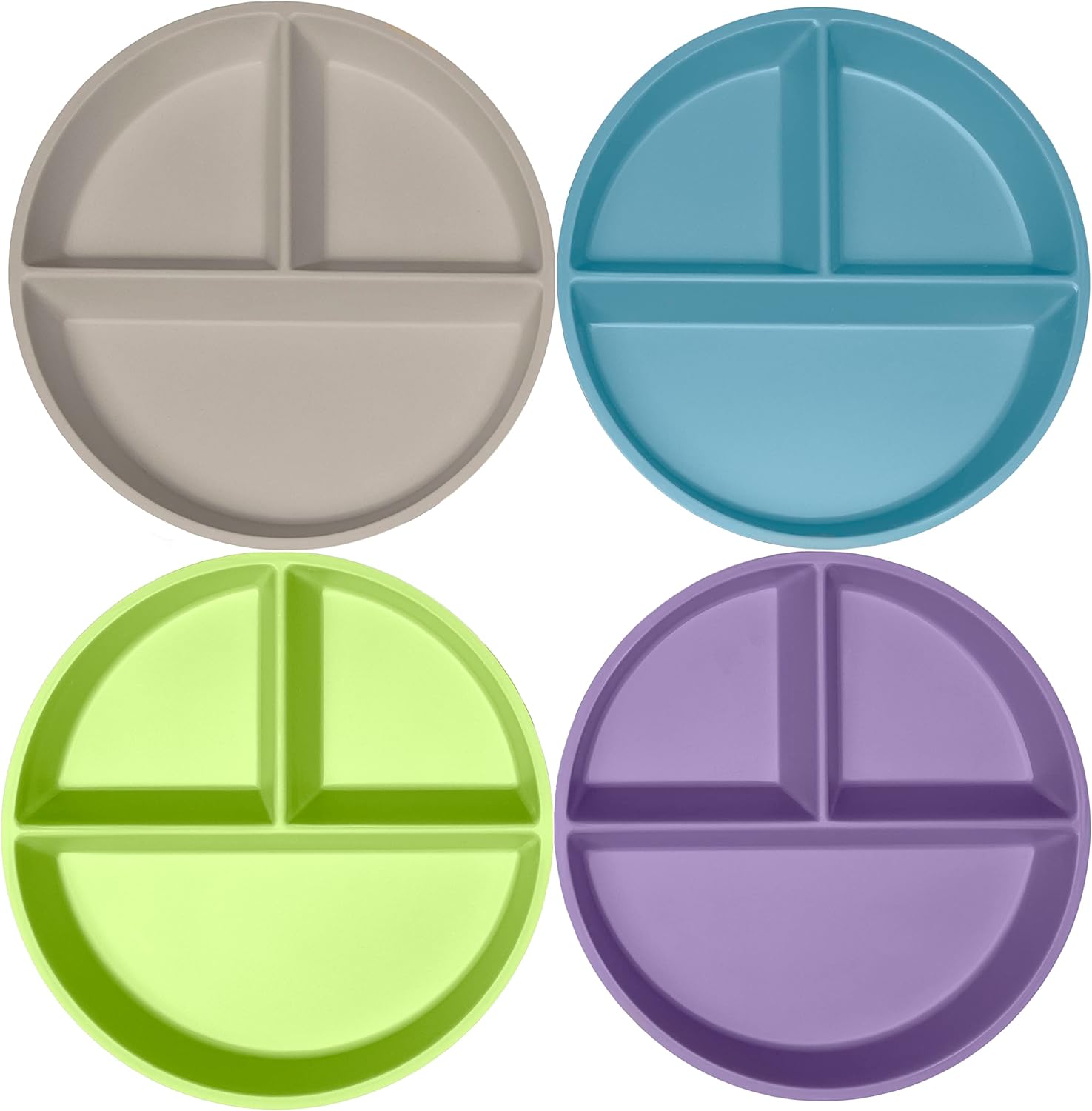
Comparison: bamboo vs melamine toddler dish sets—durability, safety, and aesthetics
Best overall for eco‑minded parents: bamboo plates if you value biodegradability and lower processing; best for durability and colorful design: melamine (or recycled‑content melamine). Hybrid bamboo/melamine gives a middle ground—better aesthetics and improved durability but still requires heat‑avoidance. All four validated picks below reflect these tradeoffs.
WeeSprout Divided Bamboo & Melamine Plates for Kids
WeeSprout
A hybrid divided plate that blends bamboo aesthetics with melamine durability—good for toddlers who need portioned sections and parents who want a more natural look without giving up sturdiness.

Nook Theory 4 Pack Reusable Bamboo Plates - Non-Toxic
Nook Theory
Simple, non‑toxic bamboo plates sold in a 4‑pack. Strong eco appeal and a lightweight feel—best for families prioritizing low‑processing materials and compostability at end of life.

Confetti Nesting Mixing Bowls Set - 4-Piece Colorful (40% Recycled Melamine)
Confetti
Bright, durable nesting bowls made with 40% recycled melamine. A good pick for families that want cheerful, long‑lasting pieces and prefer recycled content.

BICETTO Japanese Ramen Bowl Set (Melamine) with Red Fuji Design
BICETTO
A design‑forward melamine ramen bowl set with a Red Fuji motif—appeals to parents who want stylish tableware that can stand up to drops and frequent use.
Buying Notes
Prioritize based on daily use: pick bamboo if you want a greener, low‑chemistry option for mostly cold or room‑temperature meals; pick melamine (or a hybrid) if you need long-lasting, chip‑resistant pieces for frequent use. Avoid microwaving either material; hand‑wash bamboo and follow manufacturer dishwasher guidance for melamine. Look for recycled content or certified non‑toxic claims if sustainability and low chemical risk are top priorities.
WeeSprout Divided Bamboo & Melamine Plates for Kids: pros and cons
Pros
- Divided sections help with portioning and picky eaters
- Bamboo surface for a natural look
- Melamine reinforcement improves chip resistance
Cons
- Not recommended for microwave use
- Hand wash recommended for the bamboo portion
- Edges or melamine layer can chip with heavy use
A hybrid divided plate that blends bamboo aesthetics with melamine durability—good for toddlers who need portioned sections and parents who want a more natural look without giving up sturdiness.
WeeSprout Divided Bamboo & Melamine Plates for Kids: score breakdown
Nook Theory 4 Pack Reusable Bamboo Plates - Non-Toxic: pros and cons
Pros
- Marketed as non‑toxic and plant‑based
- Lightweight and compostable at end of life (depending on local facilities)
- Attractive simple finish
Cons
- Less durable than melamine over years of heavy use
- Hand wash and avoid long soaking or high heat
- Not microwave‑safe
Simple, non‑toxic bamboo plates sold in a 4‑pack. Strong eco appeal and a lightweight feel—best for families prioritizing low‑processing materials and compostability at end of life.
Nook Theory 4 Pack Reusable Bamboo Plates - Non-Toxic: score breakdown
Confetti Nesting Mixing Bowls Set - 4-Piece Colorful (40% Recycled Melamine): pros and cons
Pros
- High durability and chip resistance
- Vibrant colors and nesting design save storage space
- Contains 40% recycled melamine—better than virgin plastic
Cons
- Not microwave‑safe; avoid direct high heat
- Higher price than basic melamine sets
- Not biodegradable
Bright, durable nesting bowls made with 40% recycled melamine. A good pick for families that want cheerful, long‑lasting pieces and prefer recycled content.
Confetti Nesting Mixing Bowls Set - 4-Piece Colorful (40% Recycled Melamine): score breakdown
BICETTO Japanese Ramen Bowl Set (Melamine) with Red Fuji Design: pros and cons
Pros
- Distinctive, attractive design for table presentation
- Durable, shatter‑resistant construction
- Good for repeated everyday use
Cons
- Higher price point
- Not microwave‑safe and not biodegradable
- Less eco‑friendly than bamboo options
A design‑forward melamine ramen bowl set with a Red Fuji motif—appeals to parents who want stylish tableware that can stand up to drops and frequent use.
BICETTO Japanese Ramen Bowl Set (Melamine) with Red Fuji Design: score breakdown
Frequently Asked Questions
Are bamboo plates microwave‑safe?
No. Most bamboo plates are not recommended for the microwave—heat can warp or delaminate the finish.
Can melamine be used in the dishwasher?
Many melamine pieces are top‑rack dishwasher safe, but check the brand instructions. Repeated high‑heat cycles can shorten life.
Is melamine safe for toddlers?
Melamine tableware is considered safe for normal use, but avoid high heat (microwave, boiling) and prolonged contact with very hot or acidic foods.
How long do bamboo plates usually last?
With gentle care (hand wash, avoid soaking/high heat) expect 1–3 years depending on use and quality.
What’s the easiest way to reduce toxin risk?
Avoid microwaving, don’t put melamine on direct heat, rinse promptly after acidic foods, and follow care instructions.