What You Need To Know
Toddlers need practice to feed themselves, but sharp utensils increase laceration risk. This guide focuses on the physical utensil features that matter—rounded edges, blunt blade materials, and ergonomic grips—and pairs those recommendations with trusted feeding books that explain techniques, pacing, and supervision so you can build safe independence.
The Pediatrician's Guide to Feeding Babies and Toddlers
The Pediatrician's Guide to Feeding Babies and Toddlers stood out for parents wanting medically informed guidance on feeding timelines and safety checklists and balanced scoring across the most useful buying criteria.
View Deal On Amazon
Safety-focused guide: selecting toddler forks and knives that minimize laceration risk
These five feeding books are not utensil products, but each offers practical, evidence-informed guidance you can use when choosing and introducing toddler forks and knives. Some focus on baby-led weaning and hands-on strategies for safe self-feeding; others are clinician-backed references with safety checklists and developmental timelines. Use them alongside the physical-attribute checklist (rounded edges, blunt blades, ergonomic handles, safe materials) to match utensils to your child's skills and your supervision plan.
The Pediatrician's Guide to Feeding Babies and Toddlers
Amazon
A clinician-backed reference that covers feeding safety, developmental readiness, and practical checklists—useful for understanding when to introduce utensils and how to reduce injury risk.

Simple & Safe Baby-Led Weaning: How to Integrate Foods ...
Amazon
A hands-on baby-led weaning (BLW) guide emphasizing safe finger-food techniques, pacing, and utensil introductions that help prevent cuts while encouraging independence.

Step By Step Guide For Parents To Baby-Led Weaning
Amazon
A compact, budget-friendly ebook with step-by-step BLW safety tips and quick strategies for selecting toddler-friendly cutlery and supervising self-feeding.
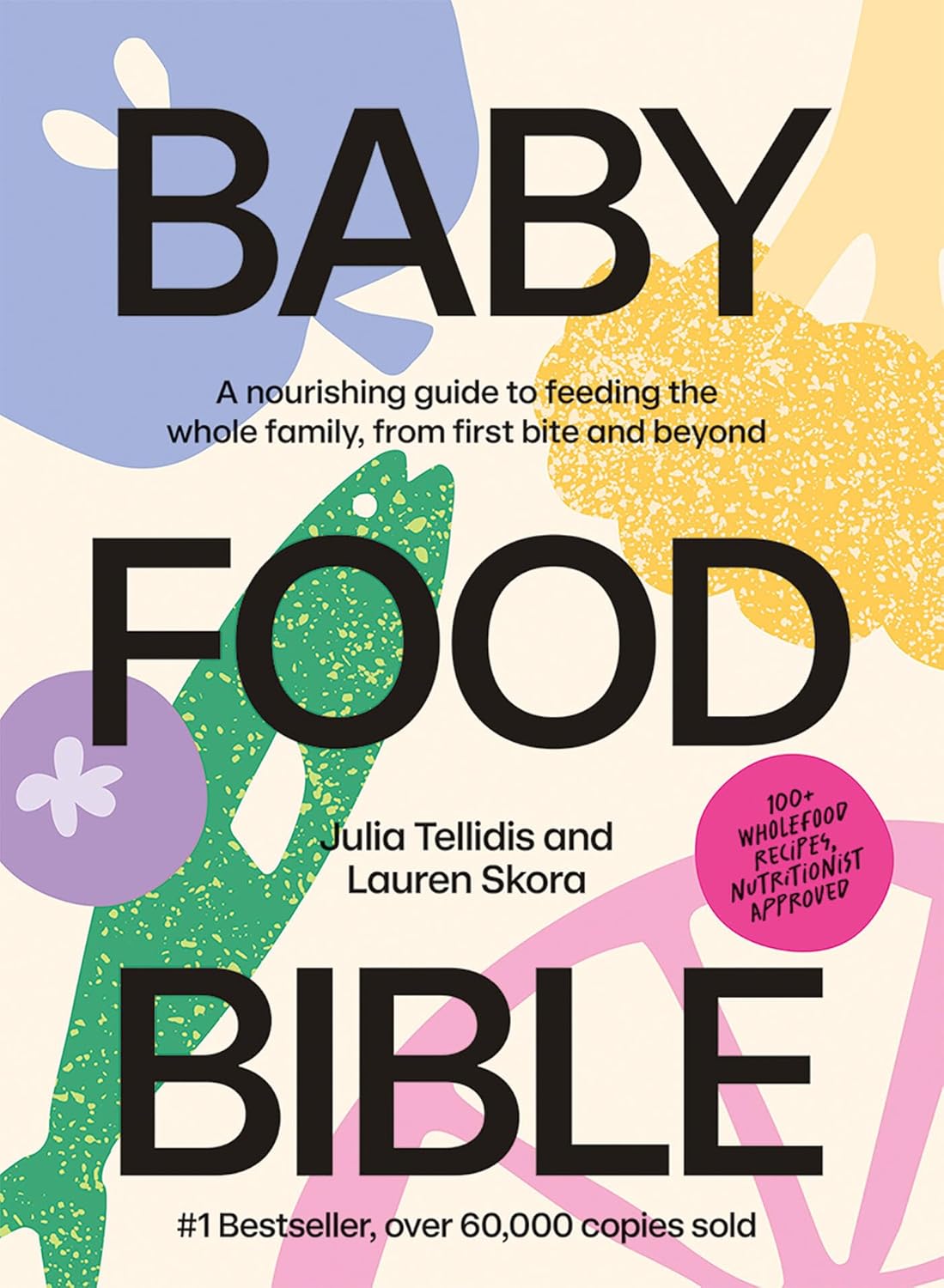
Baby Food Bible: A Nourishing Guide to Feeding Your ...
Amazon
A comprehensive feeding book with recipes and safety-oriented feeding practices; useful for planning meals that are easy to handle with blunt utensils and reduce cutting risks.

The Baby Feeding Book: Your essential guide to ...
Amazon
A broad feeding manual covering breastfeeding, bottle feeding, and starting solids, with sections that help parents plan introductions to utensils and safe self-feeding routines.
Buying Notes
Prioritize utensils with rounded tines, short blunt blades (or plastic serrations), and soft, non-slip handles sized for small hands. Choose materials that won’t rust or splinter (food-grade silicone, BPA-free plastic, or stainless steel with dull edges). Test balance and grip: the utensil should feel stable when your child holds it and allow controlled movements. Favor single-piece or well-sealed constructions to avoid gaps. For knives, opt for designated toddler-safe spreaders or training knives—not kitchen knives altered. Supervise every use and teach slow, one-handed cutting or guided two-handed techniques shown in expert feeding guides.
The Pediatrician's Guide to Feeding Babies and Toddlers: pros and cons
Pros
- Written with pediatric expertise
- Covers safety and developmental milestones
- Practical checklists useful when choosing utensils
Cons
- Not focused specifically on utensils
- More clinical than hands-on utensil guides
A clinician-backed reference that covers feeding safety, developmental readiness, and practical checklists—useful for understanding when to introduce utensils and how to reduce injury risk.
The Pediatrician's Guide to Feeding Babies and Toddlers: score breakdown
Simple & Safe Baby-Led Weaning: How to Integrate Foods ...: pros and cons
Pros
- Practical, stepwise BLW techniques
- Focus on real-world safety and supervision
- Actionable advice for introducing utensils
Cons
- Less depth on medical risk assessments
- May assume familiarity with BLW basics
A hands-on baby-led weaning (BLW) guide emphasizing safe finger-food techniques, pacing, and utensil introductions that help prevent cuts while encouraging independence.
Simple & Safe Baby-Led Weaning: How to Integrate Foods ...: score breakdown
Step By Step Guide For Parents To Baby-Led Weaning: pros and cons
Pros
- Affordable and concise
- Actionable step-by-step tips
- Quick reference for utensil selection
Cons
- Shorter depth than full-length books
- Ebook format may be brief on nuance
A compact, budget-friendly ebook with step-by-step BLW safety tips and quick strategies for selecting toddler-friendly cutlery and supervising self-feeding.
Step By Step Guide For Parents To Baby-Led Weaning: score breakdown
Baby Food Bible: A Nourishing Guide to Feeding Your ...: pros and cons
Pros
- Comprehensive recipes and meal ideas
- Includes practical safety-oriented feeding practices
- Helps match food texture to utensil choice
Cons
- Less focused specifically on utensil engineering
- Heavier on recipes than technique drills
A comprehensive feeding book with recipes and safety-oriented feeding practices; useful for planning meals that are easy to handle with blunt utensils and reduce cutting risks.
Baby Food Bible: A Nourishing Guide to Feeding Your ...: score breakdown
The Baby Feeding Book: Your essential guide to ...: pros and cons
Pros
- Broad coverage of feeding topics
- Includes timelines helpful for utensil introduction
- Good reference to consult over time
Cons
- Less detail specifically on cutting tools and laceration prevention
- Higher price point
A broad feeding manual covering breastfeeding, bottle feeding, and starting solids, with sections that help parents plan introductions to utensils and safe self-feeding routines.
The Baby Feeding Book: Your essential guide to ...: score breakdown
Frequently Asked Questions
What utensil features most reduce laceration risk?
Rounded tines, short blunt or plastic-serrated blades, soft non-slip handles sized for small hands, and single-piece or sealed construction to avoid gaps that trap skin.
When can I introduce a toddler knife?
Introduce a blunt, toddler-designed spreader or training knife once your child can sit steadily and shows fine-motor control (commonly 18–24 months), and always supervise closely.
Can I blunt an adult knife to make it safer?
Don’t modify kitchen knives—use purpose-built toddler spreaders or training knives made for safety and durability.
How should I supervise self-feeding to prevent cuts?
Stay within arm’s reach, model slow controlled motions, guide their hands when cutting, and remove unsafe utensils immediately.
Are silicone or plastic knives better than metal?
Silicone/plastic spreaders reduce blade risk and are good for beginners; stainless steel training knives with dulled edges can be useful once the child demonstrates better control.