What You Need To Know
Moving from crib to toddler bed is as much about timing and routine as it is about furniture. Look for readiness signs (climbing out, consistent wake-ups, size), pick a low, secure bed and mattress, and introduce gentle routine changes over 2–4 weeks to reduce resistance. Below: a compact checklist, calming routine swaps, and three reliable books to consult.
Eat, Sleep, Poop: A Common Sense Guide to Your Baby's ...
Eat, Sleep, Poop: A Common Sense Guide to Your Baby's ... stood out for parents who need straightforward daily schedules and concrete routine tweaks during the transition. and balanced scoring across the most useful buying criteria.
View Deal On Amazon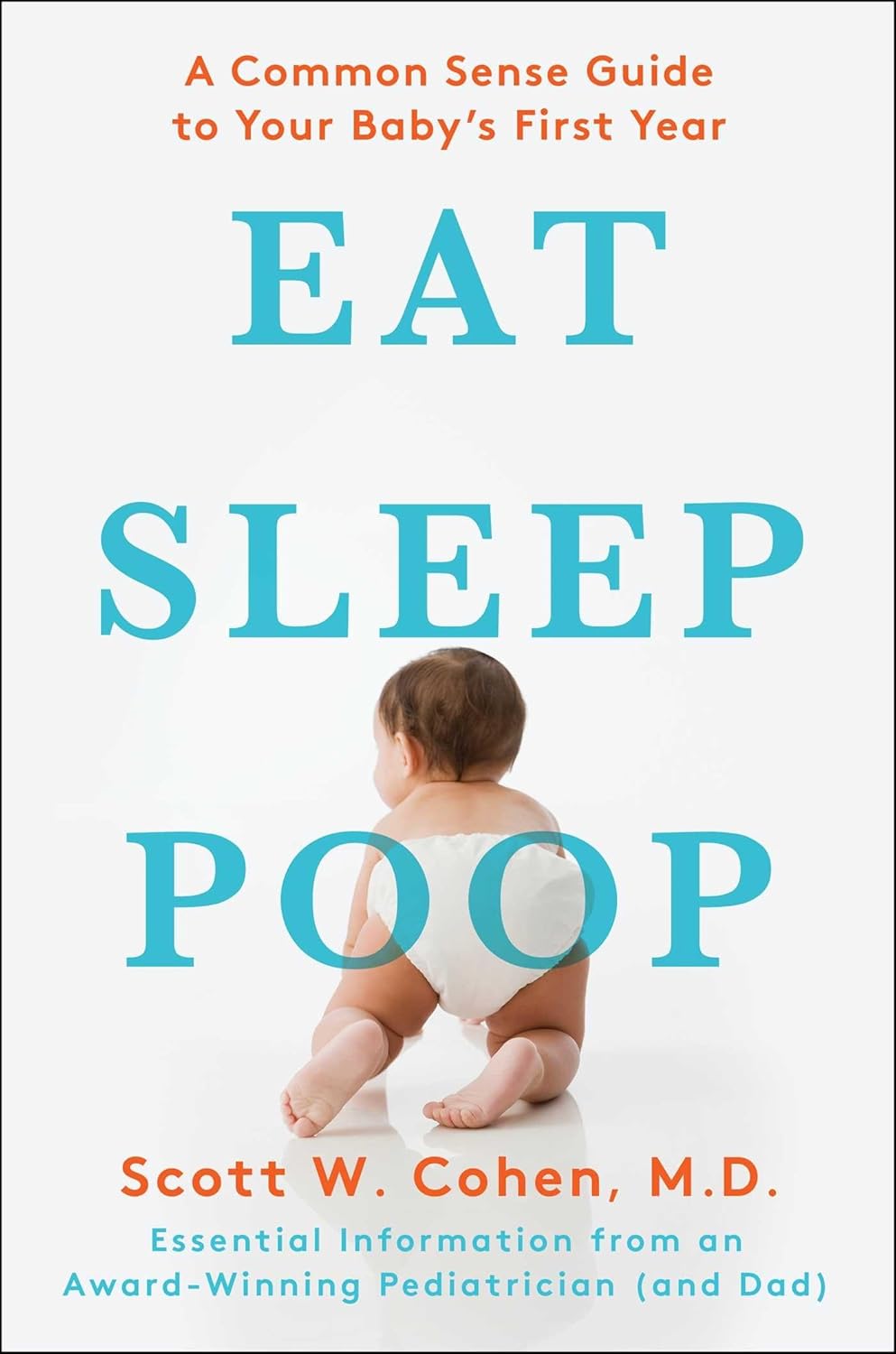
Transitioning from crib to toddler bed: step-by-step checklist and product picks
All three books provide practical help but with distinct strengths. Eat, Sleep, Poop focuses on daily rhythm and manageable routines that parents can apply immediately to bedtime and naptime. The Happy Sleeper emphasizes sleep science and behavioral strategies to establish independent sleep—handy if night wakings spike during the move. Caring for Your Baby and Young Child is a comprehensive reference for development and common concerns; use it for medical or developmental questions that come up during the transition.
Eat, Sleep, Poop: A Common Sense Guide to Your Baby's ...
Unknown
A practical, routine-focused guide that helps parents create predictable daytime and bedtime rhythms—useful for establishing the consistent cues kids need when you change sleeping environments.

The Happy Sleeper: The Science-Backed Guide to Helping ...
Unknown
A sleep-focused guide that explains the how and why behind sleep patterns and offers behavioral strategies to encourage independent sleep—helpful if night wakings increase after switching beds.

Caring for Your Baby and Young Child, 7th Edition: Birth to ...
Unknown
A comprehensive, clinic-style reference covering development, safety, and common concerns—use this for medical, safety or developmental questions that arise during the crib-to-bed move.
Buying Notes
When choosing a toddler bed or convertible mattress base, prioritize low height, sturdy guardrails or attachable rails, a mattress that fits snugly in the frame, and a design that stays in your child’s room for naps and night sleep. If space is tight, place the bed against a wall with a soft barrier on the open side. Keep a nightlight and a consistent pre-sleep routine; consider a gate for the door (not the bed) only if wandering is an issue. Buy a mattress and guardrails that match your child’s expected growth to avoid a second purchase soon after the transition.
Eat, Sleep, Poop: A Common Sense Guide to Your Baby's ...: pros and cons
Pros
- Clear, actionable routine suggestions
- Practical tips for feeding and naps that support sleep
- Readable and brief—easy to reference during a busy transition
Cons
- Not a deep dive into sleep science
- May rely on routine rather than troubleshooting complex wakings
- Title focuses on infants; some tips require adaptation for older toddlers
A practical, routine-focused guide that helps parents create predictable daytime and bedtime rhythms—useful for establishing the consistent cues kids need when you change sleeping environments.
Eat, Sleep, Poop: A Common Sense Guide to Your Baby's ...: score breakdown
The Happy Sleeper: The Science-Backed Guide to Helping ...: pros and cons
Pros
- Focus on sleep science and predictable routines
- Actionable behavioral approaches for night wakings
- Well-suited to troubleshooting sleep disruption during transitions
Cons
- May require patience to implement strategies
- Less practical detail on daytime schedules or feeding
- Some techniques need tailoring for individual children
A sleep-focused guide that explains the how and why behind sleep patterns and offers behavioral strategies to encourage independent sleep—helpful if night wakings increase after switching beds.
The Happy Sleeper: The Science-Backed Guide to Helping ...: score breakdown
Caring for Your Baby and Young Child, 7th Edition: Birth to ...: pros and cons
Pros
- Comprehensive coverage of health and safety
- Useful for age-specific developmental questions
- Good reference for unexpected issues
Cons
- Long and detailed—less focused on step-by-step routines
- Not specifically centered on sleep training
- Higher price than the other picks
A comprehensive, clinic-style reference covering development, safety, and common concerns—use this for medical, safety or developmental questions that arise during the crib-to-bed move.
Caring for Your Baby and Young Child, 7th Edition: Birth to ...: score breakdown
Frequently Asked Questions
What age is typical for moving from crib to toddler bed?
Many children transition between 18 months and 3 years; focus on readiness cues like climbing out or consistent outgrowing of the crib rather than an exact age.
How long should the transition take?
Plan 2–4 weeks for furniture change plus routine adjustments; move gradually and expect some regressions.
How do I prevent my child roaming at night?
Use a consistent bedtime routine, a nightlight, a low toddler bed placed near the wall, and consider a child gate at the bedroom door if wandering is frequent.
Do I need a new mattress?
Only if the crib mattress won’t fit snugly in the new bed frame or if it's worn—safety and fit are more important than buying new unnecessarily.
Should naps move to the toddler bed first or nighttime sleep?
Start with naps and a single night in the toddler bed before committing fully to nights; naps are a low-risk test of the new setup.